COMPASS SETS A GREENER COURSE (some text hidden) --NONE--
By Jonathan Crouch
Introductionword count: 53
The updated version of the second generation Jeep Compass launched in 2021 made more sense as a credible mid-sized SUV alternative. This contender was brought up to date and there was e-Hybrid tech, as well as a flagship plug-in PHEV option. Worth a closer look then? We'll tell you in our used guide.
Modelsword count: 6
(1.3 petrol, 1.5 hybrid, 1.3 PHEV)
Historyword count: 309
We all know what a real Jeep looks like - rough, tough and wilderness-ready. You might though, be less acquainted with the models this growing brand wants to sell to ordinary, family SUV buyers. Cars like this one, the Compass, aimed directly at the buoyant mid-sized Qashqai segment. This 'MP/552'-series model was first launched back in late 2017, but four years on, it was facelifted and its engines heavily electrified to create the car going to look at here, which featured both Hybrid and Plug-in Hybrid tech. Electrification will of course be the over-riding theme in future Jeep models. Back in 2021 though, the brand still needed to sell with fossil fuel in the SUV market's core C-segment, a class the brand had unsuccessfully been trying to crack for years. Starting back in 2007 with very first generation 'MK49'-series Compass model, which somehow sold for eight years, a poorly conceived ugly duckling that even Jeep wants to forget. This MK2 design, as we said earlier, arrived in 2017 aiming to capitalise on the success of the smaller Renegade model that had been launched a couple of years before. But it lacked its smaller stablemate's sassy charm, seemed dated inside, used a selection of inefficient engines and seemed clunky to drive. Ideally, a completely new generation Compass model would have followed on by 2021, but with all the brand's resources devoted to future EVs, there wasn't scope for that. So what we got instead was this, a version of this 'MP/552'-series design so heavily updated that it was almost brand new. We mentioned the powertrain line-up, which also included a conventional 1.3-litre petrol unit. Well the interior also took a huge step forward and the car had a visual wash 'n brush-up. The Compass sold in this form until mid-2025 when it was replaced by an all-new third generation design.
What You Getword count: 407
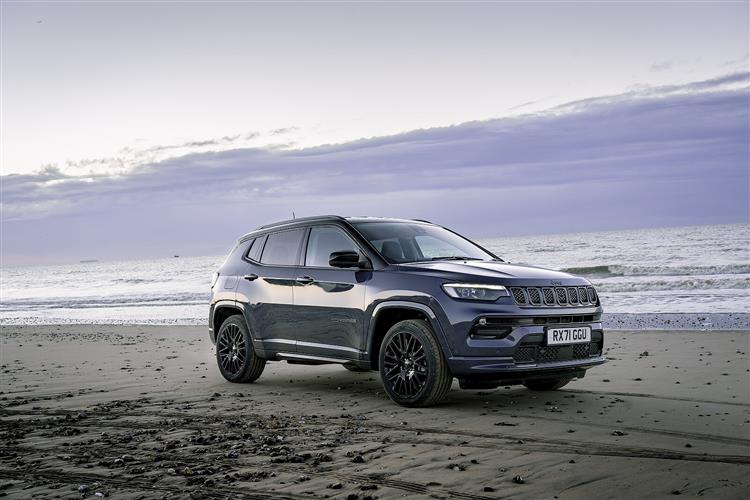
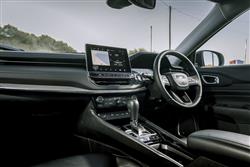
Cars of this kind used to be called 'Crossovers'. Then we got told to call them 'SUVs'. It's a designation that sits a touch incongruously with some other fickle, fashion-led contenders in this class, but this Jeep does in every sense look like a proper, modern compact SUV, rather than the kind of hatchback on steroids that most of the magazine experts will tell you to buy in this segment. Visually, not much fundamentally changed about the second generation Compass design in this updated form, but the car gained a more modern, purposeful look that should fit in much better down at the gym. Quite a lot changed inside with this facelift. The dash, centre tunnel and door panels were all completely different, a 10.25-inch digital instrument layout was added and there was a much larger 10.1-inch Uconnect 5 centre screen. This offered over-the-air updates and used a processor with response times five times faster, plus there was wireless 'Apple CarPlay'/'Android Auto' phone connectivity and this display could feature Amazon Alexa integration and a 4G Wi-Fi hotspot. Not all the cabin's upgraded trimming choices really work - you still wouldn't think you were in any kind of premium brand product - but Jeep trebled the amount of cabin storage space on offer and all the staple features we liked before remained. So the chunky three-spoke wheel feels great to hold, the driving position remains properly commanding and the rubber floor mats and the chunky design of the various controls remind you that you're in a car from a brand that only makes SUVs. In the back it helps that, rather surprisingly for a design that must incorporate a capable 4WD system on some of its variants, the central transmission tunnel is low. And knee room's better than you might expect. So if you had to fit three adults in the back, it'd probably feel a bit easier to do than would be the case with some apparently larger class rivals. Unless you stretch to the very summit of the range, there's no power operation for the tailgate - which is a pity because it's quite heavy. Once it's raised, you'll find 438-litres of space, a big improvement on the 351-litre capacity of a Renegade but not very competitive within the Compass's chosen segment: Fold everything flat and up to 1,251-litres of space is revealed, which should be just about sufficient for the needs of most family folk.
To see the full road test text contact us on 0330 0020 227
Pictures (high res disabled)
.jpg)
|
.jpg)
|
.jpg)
| |||
.jpg)
|
.jpg)
|
.jpg)
| |||
.jpg)
|
.jpg)
|
|
Scoring (subset of scores)
Category: Crossover or SUV 4x4s
| Performance | |
| Handling | |
| Comfort | |
| Space | |
| Styling, Build, Value, Equipment, Depreciation, Handling, Insurance and Total scores are available with our full data feed. | |