
A CEED WITH MORE X-FACTOR (some text hidden) --NONE--
By Jonathan Crouch
Introductionword count: 80
In 2020, Kia's XCeed PHEV delivered Plug-in Hybrid technology to the mainstream part of the mid-sized SUV segment - and at the time, that was still a relatively rare thing in this class. This model featured the usual Plug-in model draws - a fantasyland official fuel figure, a tax-efficient CO2 reading and a near-30 mile WLTP electrified driving range. But as usual with a PHEV, there was a bit extra to pay for the technology and packaging compromises to make.
Modelsword count: 6
5dr SUV (1.6 GDI PHEV [3,4])
Historyword count: 141
Back in 2020, most brands were failing to offer any Plug-in hybrid models in the volume part of the 'Qashqai-class' SUV 'C'-segment, but Kia managed to offer two, PHEV versions of the Niro and, as in this case, the XCeed crossover. This XCeed was introduced in PHEV form in 2020, then got a light makeover in late 2022. Unfortunately, the XCeed PHEV never got the larger 11.1kWh battery that's allowed the Niro PHEV from this period to go a few miles further between charges. As you might expect, if you're comparing against the more conventional versions of this XCeed, you've to accept quite a price premium, a weight penalty and compromises in interior packaging. Can the Plug-in drive advantages here compensate? The XCeed PHEV sold in this form until late 2022, when it got a mild facelift. Sales ceased in 2023.
What You Getword count: 369
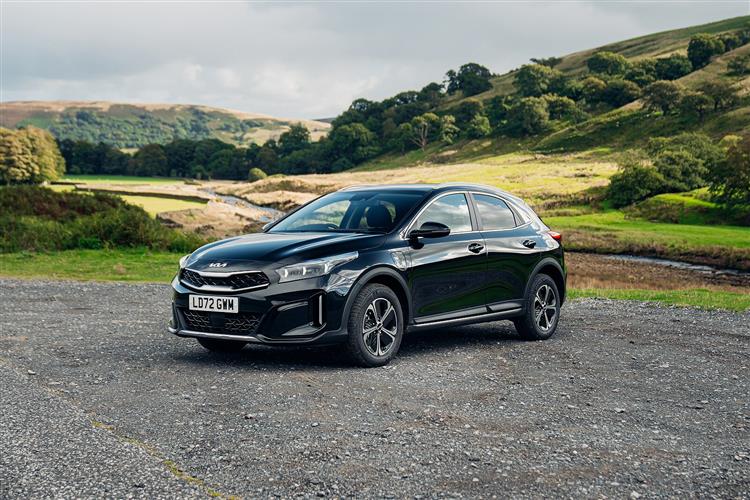
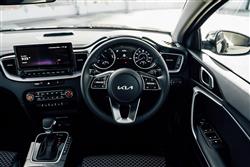
You'd have to be fairly familiar with the standard XCeed to recognise this PHEV version as being in any way visually different. The eagle-eyed will notice this plug-in variant's closed 'tiger-nose' grille at the front (which aids aerodynamic efficiency) and the distinct 'eco plug-in' exterior badges. Plus of course there's the addition of a charging port, integrated into the left front wing of the car. As for the changes made to the post '22-plate revised version, well the front grille was restyled, as were the LED headlamps that flank it, plus there was a restyled front bumper and air intake design. The 18-inch alloy wheels draw attention to the ground clearance - which is 182mm. Otherwise things on the facelift car were much as before. Wheel arch and side sill cladding, along with satin chrome roof rails, lend the XCeed a tough presence. Take a seat up-front and it's all quite smart. Hardly anything changed with the updated model at all apart from a slight lower dashboard redesign, which saw the introduction of touch-sensitive buttons, dials and switches that control the audio volume, heating and ventilation systems. It's not the highest quality cabin you'll find in the class from this period, but the brand did at least trim it a little more jauntily as part of the facelift and both the ergonomics and the driving position are difficult to fault. Standard is an excellent 10.25-inch 'Touchscreen Satellite Navigation' centre-dash touchscreen which has an incorporated eSIM chip that retrieves and updates all kinds of data as you drive. The Korean maker claimed that the adoption of the PHEV powertrain had a 'minimal impact' on packaging, but that's not quite true. Most plug-in models manage not to reduce rear seat space over their conventional counterparts but here, the way that the system's battery is located beneath the rear bench pushes the seats slightly up and forward, fractionally reducing leg room. Like virtually all PHEVs, boot space is reduced too - in this case falling by 135-litres to 291-litres - which is not far off the sort of capacity you might get from a supermini. For bigger items, you'll need to flatten the 60:40 backrest, which frees up 1,243-litres with this PHEV.
To see the full road test text contact us on 0330 0020 227
Pictures (high res disabled)
.jpg)
|
.jpg)
|
.jpg)
| |||
.jpg)
|
.jpg)
|
.jpg)
| |||
.jpg)
|
.jpg)
|
.jpg)
| |||
.jpg)
|
.jpg)
|
|
Scoring (subset of scores)
Category: Crossover or SUV 4x4s
| Performance | |
| Handling | |
| Comfort | |
| Space | |
| Styling, Build, Value, Equipment, Depreciation, Handling, Insurance and Total scores are available with our full data feed. | |