
ITALIAN LESSONS (some text hidden) --NONE--
By Jonathan Crouch
Introductionword count: 45
Fiat's longest-running modern-era van was the little Fiorino that sold between 2008 and 2024. A few rivals shared its design but none had its impressive diesel engine. If the carrying capacity suits and you need a small van from this era, it's worth a look.
Modelsword count: 8
compact van (1.3 Multijet diesel / 1.4 petrol)
Historyword count: 243
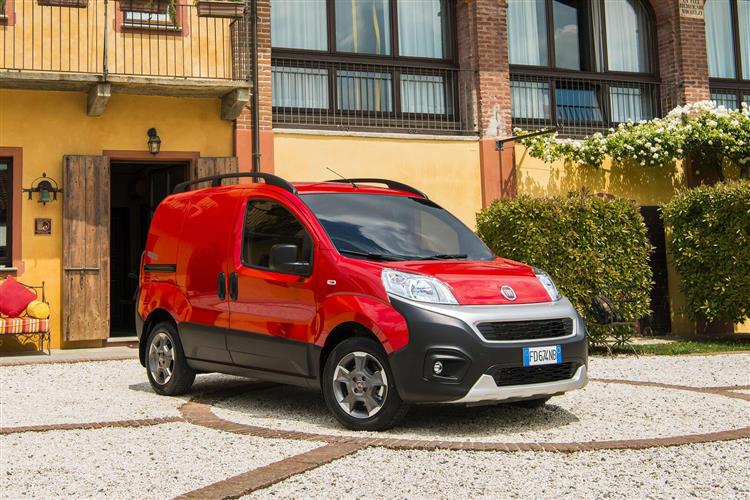
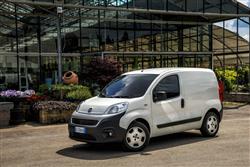
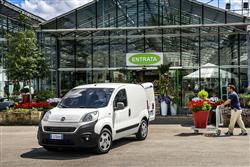
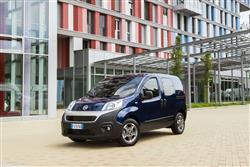
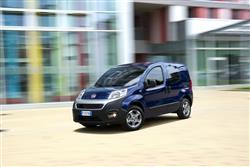
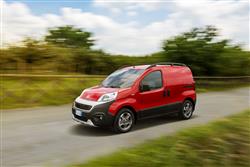
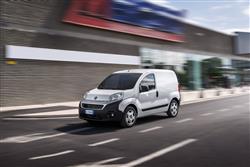
Things have come a long way since compact vans were either superminis with blanked out windows or used a small car chassis with a metallic cube bolted on the back. The latter approach was characterised by the two earliest versions of Fiat's little Fiorino LCV, the Fiat 127-based MK1 design of 1977 and the Fiat Uno-based design of 1988. For the third generation version of 2008 though, the model we look at here, Fiat produced a properly modern purpose-built city van. It was also sold in an MPV-like passenger-carrying form (the Qubo). With 2.5 cubic metres of loadspace, the Fiorino van had nearly as much cargo capacity as buyers could find in Citroen Berlingo or Fiat Doblo-sized vans in the next class up, yet the same nimble manoeuvrability that was offered by small car-derived vans on sale in this era, like those based on Ford's Fiesta or Fiat's own Grande Punto, with their feeble one cubic litre luggage bays. Though this design was shared with Peugeot's Bipper and Citroen's Nemo vans, it was very much Fiat's own, based on the underpinnings of their Grande Punto supermini. Plus it was unique in offering the Italian marque's slightly more powerful 1.3-litre diesel Multijet engine, despite more affordable pricing. Plenty of reasons then, for the International Van of the Year accolade showered upon this model at launch. UK sales went on much longer than those of this model's Citroen and Peugeot clones, not stopping until 2024.
What You Getword count: 506
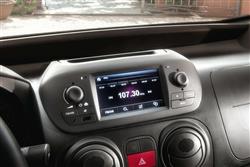
The Fiorino was designed with the urban environment very much in mind and was decently screwed together at its Turkish factory. The wheels are pushed to the corners of the vehicle to maximise interior space and manoeuvrability, while keeping the van compact and wieldy. The substantial wrap-around bumper protects against parking knocks and expensive components like the headlamps, bonnet and radiator are set well back to lessen the chance of them coming to harm. The interior of the Fiorino will feel a little confined to those familiar with full size compact vans but there's reasonable space for driver and passenger. The driving position is upright and affords a good view of the Fiorino's surroundings with the seat and the steering wheel offering a good range of adjustability. Cab stowage space for oddments is less generous than in models from the next class up but with 12 compartments to choose from, there should be room for most of the essentials. This plusher model even has a folding dashboard desk. Will this van cope with the kind of use your business will need? At first glance after all, it looks pretty small. At 3,864mm long and 1,589mm wide, this is a compact van with a footprint tinier that most superminis. Despite this however, there's a 2.5m3 load volume to play and a payload capacity of 610kg. That volume can be increased if you've a version fitted with the optional folding passenger seat which flops down to increase capacity to 2.8m3. That improvement may not sound like much but it increases the available load length from 1,523mm to 2,491mm which is really handy when you're trying to cram longer items inside. The load bay is accessed through asymmetrically-split rear doors on the standard model with the slimmer of the two mounted on the offside. They can be pushed through 90° and through 170° if you release the easy-to-unlatch door stays. A sliding side door is available on plusher versions, with a second sliding door residing on the options list. The apertures behind these side doors are narrow (1041mm high and 644mm wide), so large items may have to go in through the rear (where the door aperture is 1,060mm high and 1,140 mm wide). Here, there's a low 527mm loading height and 1,064mm between the wheelarches. Load bay width is 1,473mm, while maximum height is 1,205mm. Around half-a-dozen load tie-down rings are there to secure loads but if you forget to use them and your cargo slithers forward, then you'll be protected by a restraint frame that angles backwards into the cargo area. The doors are lined to half their height but you might want to additionally consider ply-lining to protect the rest of the cargo area against minor scrapes and scratches. The Fiorino should prove extremely economical to run, particularly in Multijet diesel form where you can expect 61.4mpg on the combined cycle and 123g/km of CO2, a big improvement on the 40.4mpg and 165g/km figures achieved by the petrol version. Service intervals are generous at 20,000 miles.
To see the full road test text contact us on 0330 0020 227
Pictures (high res disabled)
|
|
| |||
|
|
| |||
|
|
| |||
|
Scoring (subset of scores)
Category:
| Performance | |
| Handling | |
| Comfort | |
| Space | |
| Styling, Build, Value, Equipment, Depreciation, Handling, Insurance and Total scores are available with our full data feed. | |